
Lifelong Eye Care: Protecting Your Vision from Childhood to Your Golden Years
07/07/2026
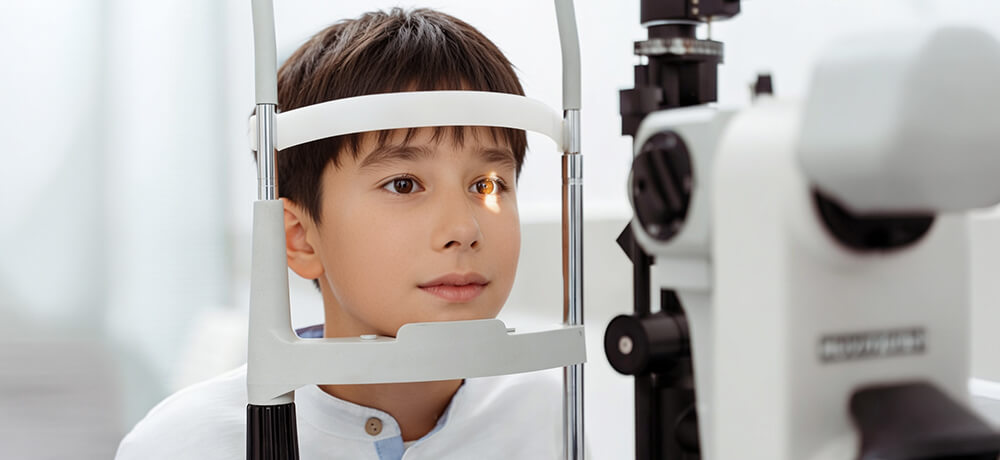
Many eye conditions develop silently over time. Learn the common warning signs at every stage of life and why regular eye examinations are essential for preserving vision.
Vision is one of our most precious senses, yet many eye conditions develop gradually without obvious symptoms. Whether it's a child struggling to see the classroom whiteboard or an older adult noticing increasing glare while driving at night, early detection plays a vital role in protecting lifelong vision.
According to Dr. Fazilawati A. Qamarruddin, Consultant Ophthalmologist and Paediatric Ophthalmologist at Sunway Medical Centre, many eye conditions can be effectively treated when identified early, helping patients maintain good vision and quality of life.
Eye Health Begins in Childhood
Healthy vision is essential for a child's learning, development, and confidence. Unfortunately, young children may not realise they have a vision problem because they assume everyone sees the way they do.
One of the most common childhood eye conditions is strabismus, also known as a squint, where the eyes do not align properly. One eye may look straight while the other turns inward, outward, upward or downward. While some cases are related to uncorrected long-sightedness and improve with prescription glasses, others may indicate underlying neurological or eye conditions that require prompt medical assessment.
Warning signs parents should look out for include:
- Frequent squinting
- Tilting the head to see clearly
- Sitting too close to the television
- Difficulty seeing the classroom board
- Frequent headaches
- One eye turning inward or outward
If left untreated, strabismus may lead to amblyopia (lazy eye), where the brain gradually favours the stronger eye and ignores the weaker one, resulting in permanent vision loss if not treated during childhood.
Why Early Eye Screening Matters
Many childhood eye problems can be corrected successfully when detected early.
Comprehensive eye examinations before children begin primary school can identify refractive errors, lazy eye, and other visual problems before they affect learning and development. Early intervention often involves simple treatments such as prescription glasses, eye patching, or vision therapy, helping children achieve their full visual potential.
Eye Care Through Adulthood
Eye care remains important throughout adulthood, even if your vision seems normal.
In today's digital world, prolonged screen use has become part of everyday life. Extended periods of focusing on digital devices can contribute to eye strain and dry eyes.
A simple habit that can help reduce digital eye strain is the 20-20-20 Rule:
Every 20 minutes, look at something 20 feet away for at least 20 seconds.
Maintaining good general health also supports healthy vision. Managing chronic conditions such as diabetes, avoiding smoking, protecting your eyes from excessive ultraviolet (UV) exposure, and attending regular eye examinations all help reduce the risk of future eye disease.
Cataracts: A Common Part of Ageing
As we grow older, the natural lens inside the eye gradually becomes cloudy, leading to cataracts.
Common symptoms include:
- Blurred or cloudy vision
- Increased glare from headlights
- Difficulty driving at night
- Colours appearing dull or faded
- Frequent changes in spectacle prescription
While cataracts are commonly associated with ageing, they may develop earlier in individuals with diabetes, smokers, or those with prolonged UV exposure.
Fortunately, modern cataract surgery is highly effective. Using advanced small-incision techniques, the cloudy lens is replaced with a clear artificial intraocular lens, allowing many patients to return to normal daily activities within a short recovery period.
Don't Wait for Symptoms
Many eye diseases, including glaucoma, diabetic eye disease and age-related retinal conditions, may not cause noticeable symptoms until vision has already been affected.
Regular comprehensive eye examinations allow eye specialists to detect problems early, often before patients notice any changes in their vision.
As a general guide:
- Children should undergo vision screening before starting school.
- Adults should have regular comprehensive eye examinations, especially from the age of 40 onwards.
- Individuals with diabetes should undergo annual diabetic eye screening to detect diabetic retinopathy early.
Protect Your Vision for Life
Healthy eyesight supports every stage of life—from a child's first day at school to maintaining independence in later years. Many eye conditions are preventable or treatable when detected early, making regular eye examinations one of the best investments you can make for your long-term health.
If you or a family member notice changes in vision, persistent eye discomfort, or have not had an eye examination in several years, it may be time to schedule a comprehensive eye assessment with an ophthalmologist.
Sources: https://babytalkmalaysia.com/lifelong-eye-care-recognising-eye-conditions-from-toddlers-to-seniors/
Back