

Uveitis
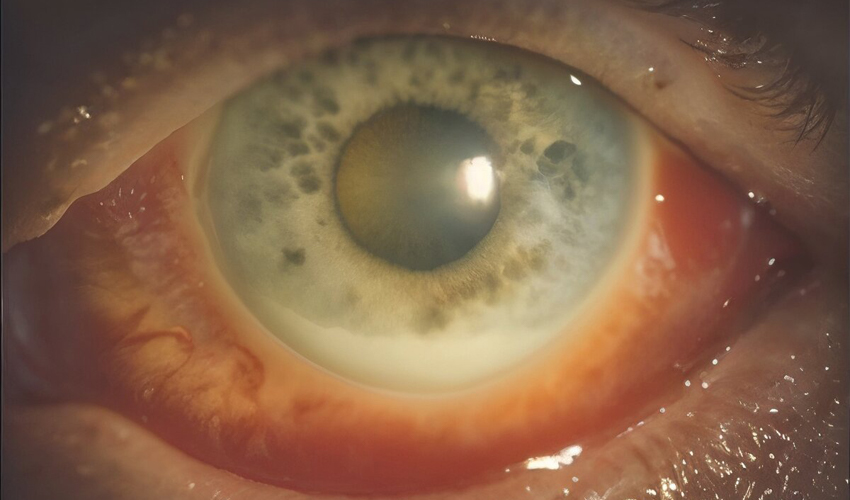
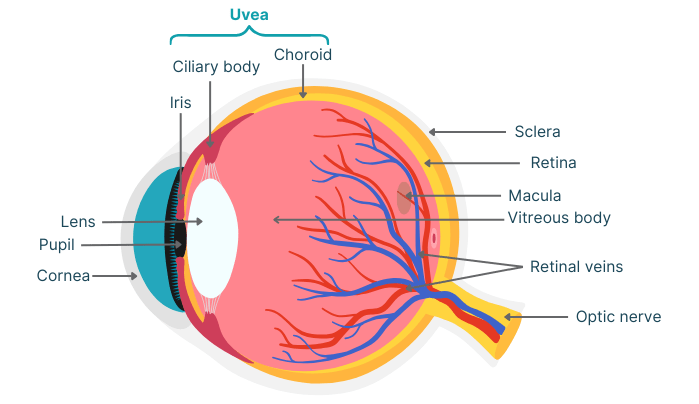
Uveitis, or ocular inflammation, is inflammation of the uvea, the middle layer of the eye. To better understand this, the eye can be compared to a tennis ball, with three different layers of tissue surrounding a central gel-filled cavity.
The innermost layer is the retina, which senses light and helps to send images to the brain. The middle layer is called the uvea, located between the sclera and the retina. The outermost layer is the sclera, which forms the external white wall of the eye.
Signs & Symptoms
The symptoms of uveitis can vary depending on which area of your eye it affects. Overall, this can be categorised into three main areas: anterior, intermediate and posterior. When uveitis affects all three areas, experts call this panuveitis.
The most common of the three is anterior (front) uveitis. It affects the iris and ciliary body, and the symptoms are often visible to you and others around you. The symptoms of anterior uveitis include:
- Eye pain
- Red eye or eye irritation
- Blurred vision
- Light sensitivity (photophobia)
- Swollen conjunctiva
- Pupil shape changes (from a circle to an irregular shape)
- White liquid accumulating at the bottom of the front of your eye (hypopyon) or in a ring around your iris
Intermediate (middle) and posterior (back) uveitis usually cause symptoms that are hard for you and those around you to see. Instead, the symptoms are more likely to affect what you see and/or how well you see it.
The symptoms of intermediate and posterior uveitis include:
- An increase in floaters (myodesopsias), or floaters that are easier to notice (they stand out more)
- Gaps or missing sections in your field of vision (visual field defects) in the affected eye
- Decreased vision
Diagnosing Uveitis / Ocular Inflammation
A careful eye examination by an ophthalmologist with a sub-specialty in uveitis is extremely important when symptoms occur. Inflammation inside the eye can permanently affect sight or even lead to blindness if left untreated.
Your ophthalmologist will examine the inside of your eye. Blood tests, skin tests or x-rays may be ordered to help establish a diagnosis. As uveitis may be associated with conditions affecting other parts of the body, your ophthalmologist will want to understand your overall health and may consult your primary care physician or other medical specialists.

How Is It Treated?
Uveitis is a serious eye condition that may scar the eye. You need to have it treated as soon as possible. Eye drops, especially steroids and pupil dilators, can reduce inflammation and pain. For more severe inflammation, oral medication or injections may be necessary.
Uveitis may lead to the following complications:
- Glaucoma (increased pressure in the eye)
- Cataract (clouding of the eye's natural lens)
- Neovascularisation (growth of new, abnormal blood vessels)
These complications may develop in cases of chronic severe inflammation. Specialist care is essential to ensure your condition is appropriately managed.
Your Vision,
Our Priority
Looking to seek a consultation for concerns related to your eye health? Schedule an appointment with our eye specialists today.
Book Appointment