
Retinal Detachment: Understanding the Risks, Warning Signs, and the Importance of Early Treatment
20/01/2026
Retinal detachment is a serious eye condition that can lead to permanent vision loss if not diagnosed and treated promptly. While it may occur without pain, its consequences can be severe — particularly for individuals aged 40 and above, those with high myopia, or a history of eye surgery or trauma.
According to eye specialists, early awareness and timely intervention are critical in preserving vision.
What Is Retinal Detachment?
The retina is a thin, light-sensitive layer of tissue lining the back of the eye. It plays a vital role in converting light into visual signals sent to the brain. Retinal detachment occurs when this layer separates from its normal position, disrupting its blood and oxygen supply.
“Retinal detachment is not a painful condition, but if left untreated, it can lead to permanent blindness,” explains Dr Peh Khaik Kee
In many cases, it begins with a retinal tear, which may progress rapidly if not detected early.
Who Is at Risk?
Retinal detachment can affect anyone, but certain groups face a higher risk:
- Individuals aged 40 years and above
- Those with high myopia (severe near sightedness)
- Patients with a history of eye injury or trauma
- Individuals who have undergone previous eye surgery, such as cataract surgery
“Retina detachment is not caused by lifestyle or dietary factors, but rather by structural factors within the eye,” says Dr Selva Raja Vengadasalam.
Retinal detachment affects approximately seven to 14 individuals per 100,000 people annually, making it more common than many realise. Men and certain ethnic groups with higher rates of myopia, such as the Chinese population, may also be at increased risk.

Dr Peh Khaik Kee
Consultant Ophthalmologist and Vitreoretinal Surgeon
Early Warning Signs Not to Ignore
Early symptoms of retinal detachment are often subtle but should never be ignored. These include:
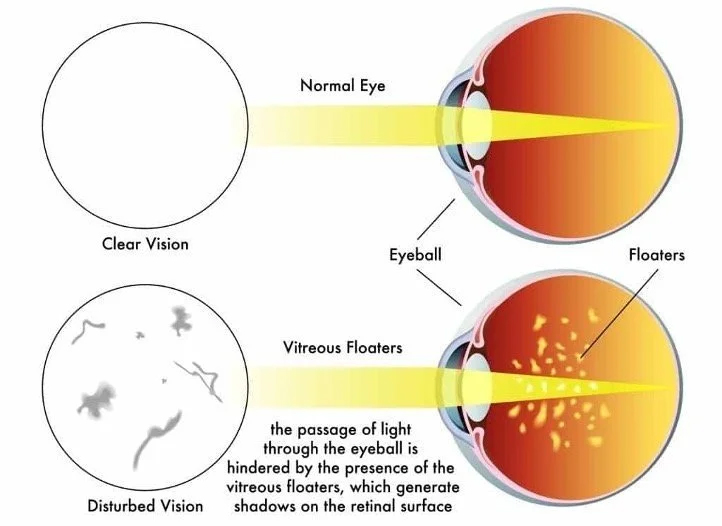
- Sudden appearance or increase in floaters, often described as spots, cobwebs, or “mosquito-like” shapes
- Flashes of light, especially in peripheral vision
- A shadow or curtain-like effect moving across the field of vision
“A sudden increase in floaters or flashes, or the appearance of a shadow or curtain across the vision, should be treated as an emergency,” Dr Peh emphasised. If the macula — the central part of the retina responsible for sharp vision — remains attached, visual outcomes after treatment are significantly better.
“Once the macula detaches, the likelihood of restoring full vision decreases,” Dr Peh adds.

Dr Selva Raja
Consultant Ophthalmologist and Vitreoretinal Surgeon
Treatment Options for Retinal Detachment
Treatment depends on the severity and stage of the condition:
- Laser photocoagulation may be used to seal small retinal tears before detachment occurs
- Microsurgical procedures, such as vitrectomy or scleral buckling, are required for more advanced detachments
“Modern vitrectomy uses instruments as small as 0.5 millimetres, similar to keyhole surgery. This allows for smaller incisions, improved precision, and faster recovery,”
explains Dr Selva.
In some cases, a gas bubble is placed inside the eye to support the retina during healing. Patients may be required to maintain a face-down position for one to two weeks to ensure optimal recovery.
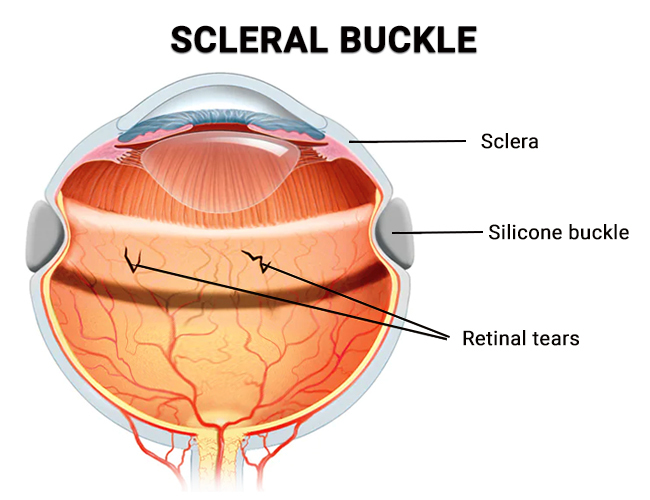
(Image of vitrectomy / scleral buckle surgery)
Visual Recovery and Outcomes
Surgical success rates for retinal reattachment are high, particularly when treatment is initiated early:
- If the macula remains attached, patients may regain near-normal or full vision
- If the macula is detached, approximately 70% of patients can still recover sufficient vision for daily activities, including driving
Some patients may develop cataracts within six to 24 months following surgery, a condition that can be effectively treated with routine cataract surgery.
The Importance of Regular Eye Screening
There are no medications or supplements that can prevent retinal detachment. Early detection through regular eye examinations remains the most effective safeguard.
“Screening is seeing. The earlier we detect and treat a retinal tear or detachment, the better the chances of preserving clear and functional vision,”
Dr Peh stresses.
Individuals over 40, especially those with high myopia or a history of eye conditions, are encouraged to undergo regular comprehensive eye checks.
Retinal detachment is a serious but treatable eye condition when detected early. Awareness of the risk factors and warning signs, combined with prompt medical attention, can significantly reduce the risk of permanent vision loss.
If you experience sudden changes in your vision, seek immediate evaluation by an eye specialist. Early intervention can make the difference between vision preserved and vision lost.
Sources: Bernama Article “Retinal Detachment: A Silent Threat to Those Over 40 & with Myopia - https://www.bernama.com/en/news.php?id=2477079
Back